Best Ski-In Ski-Out Stays in Otari
SKI INN HAKUBA sits a 14-minute walk from the Tsugaike Kogen ski area, with ski-to-door access that shortens even that distance in ski boots, and Hakuba Cortina's slopes a further 6 km north. This is the quiet end of the Hakuba valley, reached via the JR Oito Line and a local transfer from Nagano Station, roughly two hours combined, trading central Hakuba's nightlife for closer, often cheaper access to two connected ski areas. The JR Oito Line itself runs a scenic stretch along the valley floor, a worthwhile part of the journey rather than simply a means to an end.
Ski-in/Ski-out · Otari in numbers
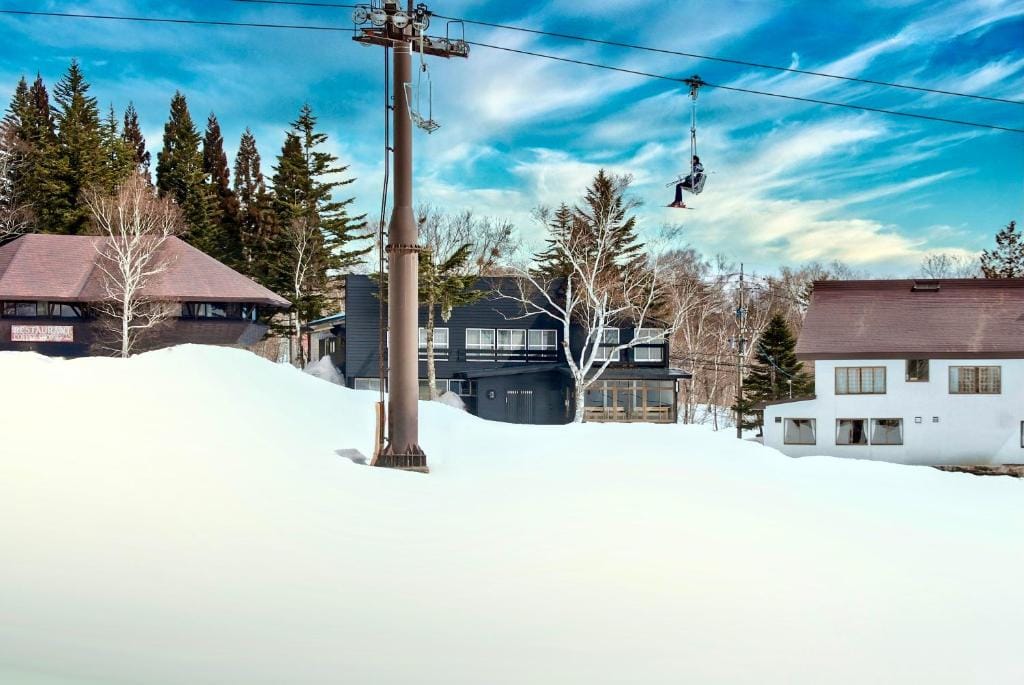
Quieter slopes at the valley's far end
SKI INN HAKUBA's ski-to-door setup cuts the walk to Tsugaike Kogen's lift base to a manageable distance even in full ski gear, a genuine advantage over lodges further into the village that require a longer trek or a shuttle bus. The lodge's restaurant and bar mean guests don't need to leave the building once boots come off for the evening. The JR Oito Line itself runs a scenic stretch along the valley floor, a worthwhile part of the journey rather than simply a means to an end. Snow conditions at this end of the Hakuba valley tend to hold later into the season than lower-elevation areas closer to the coast.
The property's games room and indoor play area serve a specific purpose: keeping families occupied on a rest day or a weather day when the lifts aren't the plan. This is a detail that matters more in a village like Otari, where there isn't a broader town center to wander instead. Travelers without a car should confirm lodge shuttle timing directly, since public transport thins out considerably this far up the valley. Otari's distance from central Hakuba also tends to mean shorter lift lines at the base, a genuine advantage on a fresh powder morning. A day trip over to Hakuba Cortina works best with a car, since public transport between the two ski areas remains limited.
Hakuba Cortina Ski Area sits a further 6 km north, reachable by car or a longer walk, giving guests a second ski area option without relocating for the trip. This flexibility suits a longer stay where variety in terrain matters more than staying at the absolute closest point to a single lift base. The JR Oito Line itself runs a scenic stretch along the valley floor, a worthwhile part of the journey rather than simply a means to an end. Snow conditions at this end of the Hakuba valley tend to hold later into the season than lower-elevation areas closer to the coast.
The tradeoff for Otari's quieter, closer ski access is distance from Nagano Station and central Hakuba's dining and nightlife: reaching this valley takes the JR Oito Line and a local transfer, roughly two hours combined from Nagano, a detail worth planning around rather than treating as a casual day trip. Travelers without a car should confirm lodge shuttle timing directly, since public transport thins out considerably this far up the valley. Otari's distance from central Hakuba also tends to mean shorter lift lines at the base, a genuine advantage on a fresh powder morning. A day trip over to Hakuba Cortina works best with a car, since public transport between the two ski areas remains limited.
Otari is a village on the JR Oito Line rather than a resort town, built around ski season and little else, with Tsugaike Kogen and Hakuba Cortina as the two draws within reach. Summer brings a smaller crowd of hikers to the Tsugaike Nature Park trails once the snow clears, but winter is when this valley works at full capacity.