Best Ryokan-Style Stay in Naha, Okinawa
A genuine ryokan-influenced stay in Naha comes down to one address: Prostyle Ryokan Naha Kenchou Mae, named for the Kencho-mae monorail stop beside it and built around a hot tub, a Japanese and local-cuisine restaurant, and rooms with a traditional lean rather than a standard business-hotel layout. It sits less than a kilometre from Naminoue Beach and four kilometres from Naha Airport, keeping the ryokan feel within easy reach of the rest of the city rather than tucked away on a mountainside as many mainland ryokan are. For travellers who want the ritual of a Japanese inn without leaving Naha's monorail network, this is the only option on this list.
Ryokan · Naha in numbers
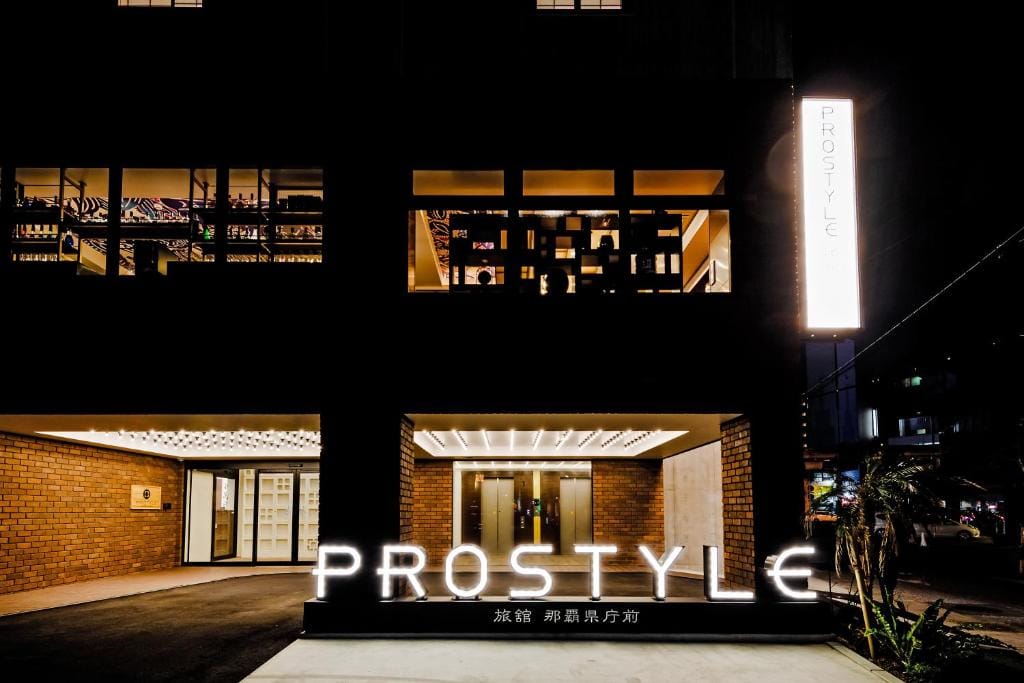
A City Ryokan Named for Its Own Station
Prostyle Ryokan Naha Kenchou Mae takes its name from the Kencho-mae monorail stop right beside it, which puts both Naha Airport and Kokusai Dori within a short, direct ride in either direction. The location trades the remote, mountainside setting of a classic mainland ryokan for genuine urban convenience, useful for travellers who want the ryokan atmosphere without sacrificing easy access to the rest of a Naha-based itinerary built around the monorail line and its stations rather than a rental car and a long drive uphill toward a remote mountain lodge.
The hotel's tatami rooms pair with a hot tub rather than a full onsen facility, a scaled-down version of the traditional ryokan bath ritual suited to a city-centre building rather than a hot-spring source on site. Its restaurant serves Japanese and local cuisine including vegetarian options, closer to the set-menu tradition of a classic ryokan dinner than the buffet format found at most other Naha hotels on this list, right down to the careful presentation of each individual course served that evening at the guest's own unhurried pace, start to finish.
Naminoue Beach sits less than a kilometre away, and Kokusai Dori's shopping arcades are within easy walking distance too, so a ryokan-style evening here doesn't mean isolation from the rest of the city. Guests can browse the shopping street or walk to the beach before returning for the hot tub and a Japanese dinner, a pairing that a genuinely remote mainland ryokan usually can't offer within the same short walk from a single central address like this one near the water and the monorail line running past it just outside.
Scale is the honest limitation here: this single hotel is closer to a boutique property with ryokan-inspired touches than the full multi-course, tatami-throughout experience of a classic mountain ryokan, and travellers expecting that exact format may find it a lighter version. For a Naha-based trip without time to detour to a mainland ryokan town, though, it's the closest and only option this city offers, and it delivers the bath, the tatami and the Japanese dining in one convenient, walkable stay near the monorail line itself and its own named station right outside the door.
Ryokan culture developed on the Japanese mainland over centuries, tied closely to hot-spring towns and mountain routes rather than the Ryukyu Kingdom's own separate architectural and hospitality traditions. A ryokan-style hotel inside Naha is therefore a deliberate hybrid rather than a regional default, borrowing the format, the bath, the set dining and the tatami room, and adapting it to a coastal, monorail-connected city rather than a traditional onsen village setting.