Best Private Onsen Stay in Naha, Okinawa
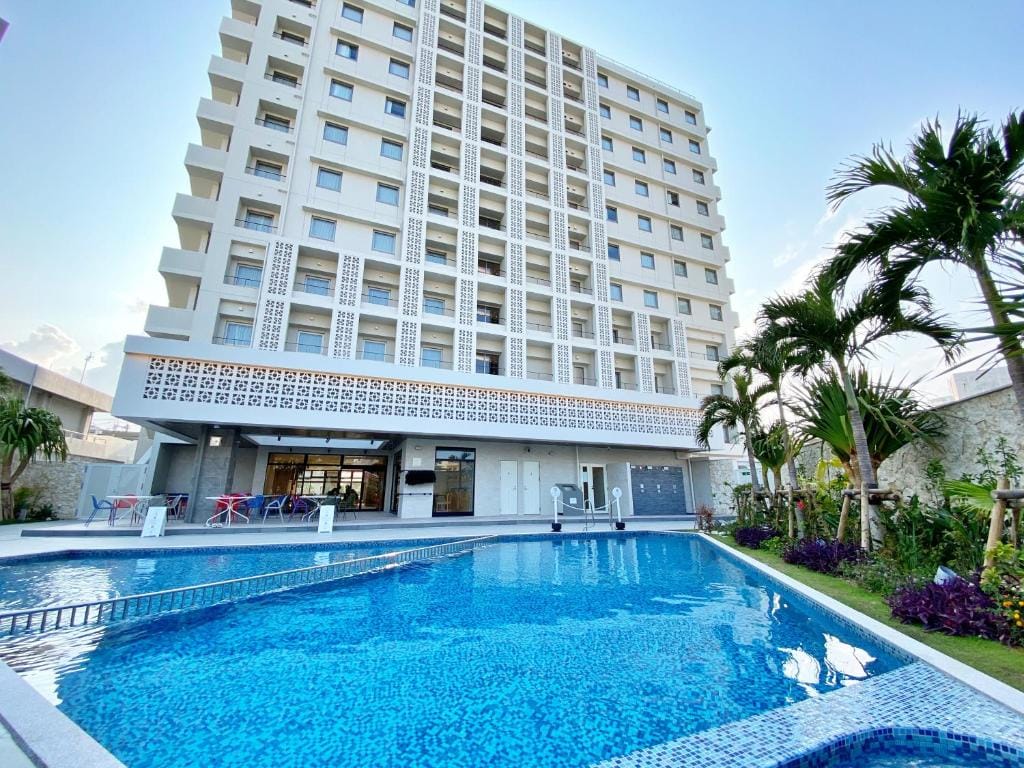
A private open-air bath (kashikiri) inside Naha city limits comes from a single address: Okinawa Hinode Resort and Hot Spring Hotel, where the private bath is booked by the room rather than shared with other guests. This suits travellers who want the hot-spring ritual without a shared bathing space, whether for modesty, a tattoo that would be flagged at a communal bath, or simply a quieter, unhurried soak. The hotel sits six kilometres from Naha Airport and a short walk from Yachimun Street, keeping the rest of a Naha itinerary within easy reach around the booked bath slot.
Private Onsen · Naha in numbers
Booking a Private Bath Slot Ahead of Time
The private bath at Okinawa Hinode Resort and Hot Spring Hotel is booked in advance by the room rather than assigned automatically, so reserving it at check-in or even before arrival avoids disappointment on a busy night. The hotel sits six kilometres from Naha Airport, a longer transfer than some central hotels, but the trade-off buys a facility unmatched by any other Naha property on this list, private or shared, and worth the extra ten minutes in transit either way, particularly when arriving straight off a long-haul connection with no other plans that first evening.
Tattoo policy is the most common reason travellers choose the private option over the shared hot-spring bath, since Japanese bathing etiquette still commonly restricts visible tattoos in communal settings even where enforcement is inconsistent. A kashikiri-style booking removes that question entirely, along with any language barrier around bathing rules, since the room is reserved exclusively for one party for the length of the slot, with no signage to decode or staff conversation required beforehand about who can and cannot enter, which several travellers report as the deciding factor over a shared bath elsewhere.
Rooms at the hotel keep a standard family-hotel layout with air-conditioning and a private ensuite bathroom, so the private open-air bath functions as an add-on experience rather than the room's only washing facility. Guests can rinse off before the reserved slot and still have a normal bathroom for the rest of the stay, which keeps the booking flexible around a packed sightseeing schedule elsewhere in the city rather than dictating the whole day around one bath slot booked weeks in advance for a single evening of soaking under the open sky.
The honest limitation is availability: with only one property offering this in Naha, a popular evening slot can book out ahead of a walk-in arrival, so reserving in advance matters more here than for a standard hotel room. Travellers whose main goal is the private bath itself should treat the booking as the anchor of the trip and build the rest of the Naha itinerary loosely around it rather than the other way round, especially on a short one- or two-night stay with limited flexibility left over for a second attempt.
Private bathing culture matters more in Japan than a Western traveller might expect: a shared onsen carries etiquette around tattoos, bathing before soaking and staying quiet, all of which a private kashikiri bath sidesteps entirely. Okinawa's version of this tradition is younger and less codified than on the mainland, since natural hot springs are rarer here, which makes a hotel offering a proper private option worth booking ahead rather than assuming availability on arrival.